
How to prepare for singing in the studio
Over time, I’ve learned that the session itself doesn’t start when I step into the studio—it starts days before.
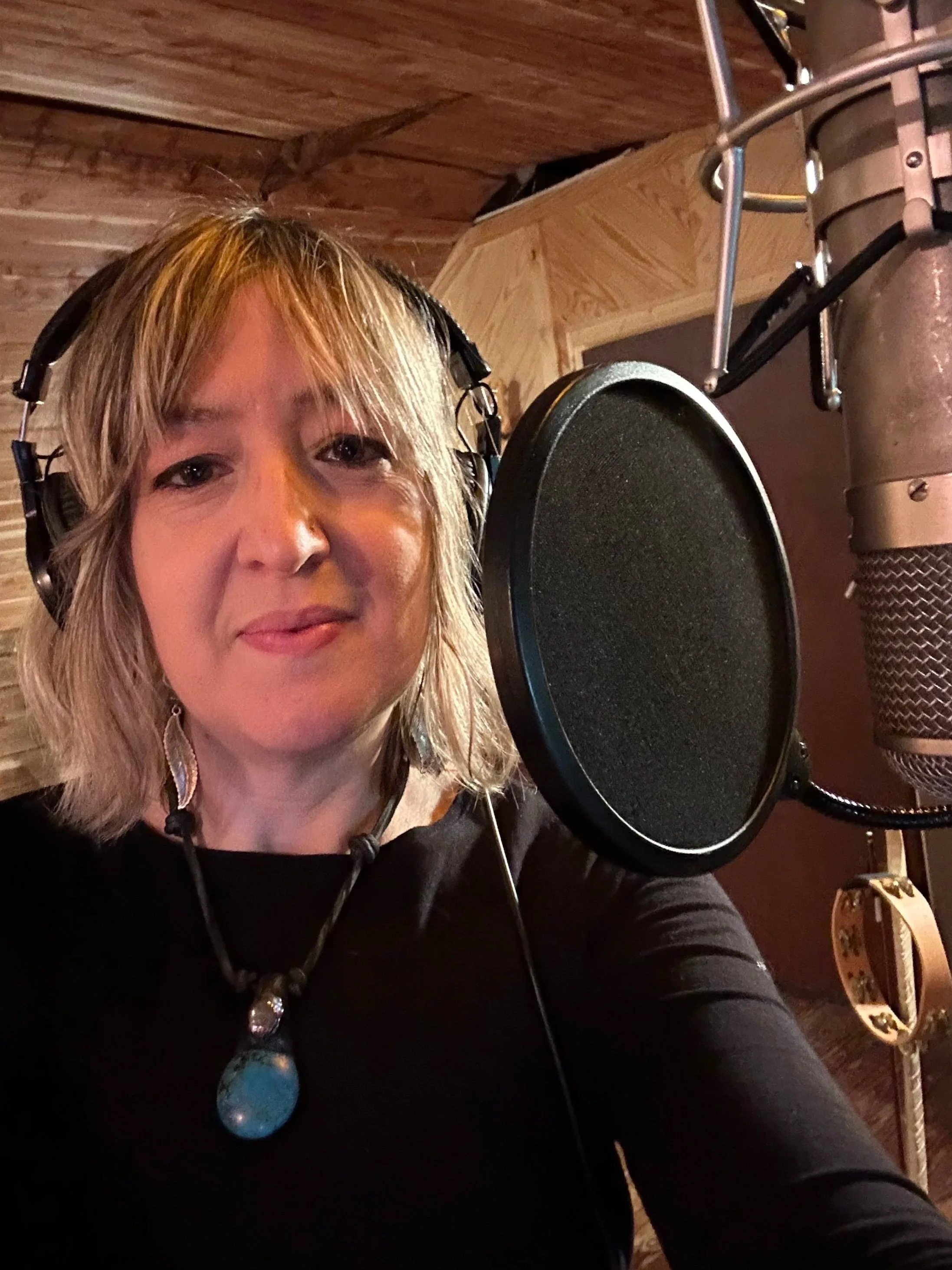
Musically, I want the songs living in my bones. Lyrics memorized. Melodies locked in. Rhythm so solid I could sing it in my sleep. I mark my music with breath spots and phrasing choices for consistency. I rehearse with the backing track like it’s the real deal. If playing guitar or piano, practicing to a metronome or click to be prepared for recording to the click track. Sometimes I’ll even try out different emotional deliveries, just to see what fits best. Sad, hopeful, fierce, vulnerable—give yourself and the producer some options.
Consciously, I stay on top of hydration not just the day of recording but the days leading up to recording sessions. I sip steadily each day so my voice shows up hydrated and ready. By the day before, I am considerably more protective of my vocal cords, sleeping with a humidifer on and most important of all- GETTING REST.
The day before recording, I warm up gently—not belting, not pushing—just easing the voice awake with soft onsets, breath work, and resonance exercises. I do the same the day of recording as well. Think of it like stretching before a run.
SOmething to remember: multiple takes are normal. This isn’t about perfection on the first try; it’s about stamina, patience, and trust in the process. A few deep breaths, maybe a stretch or two, and the tension melts out of my shoulders. If you find yourself getting physically tight, your vocal cords will respond the same way so take the time to stretch and breath if you sense tension!
On recording day, I pack like a pro. Lyric sheets marked with cues and breaths. A water bottle and a large mug of herbal tea and light snacks (nothing dairy, heavy, or spicy). I know my keys and tempos so I can communicate clearly with the engineer. I choose clothes that are comfy and quiet—no jangly jewelry or noisy fabrics. And if I’m bringing an instrument? Fresh strings. Tuned up. Backup cables. No surprises.
I always record myself to voice memos in practice leading up to any performance- live or studio alike. It’s like a rehearsal with truth serum.
By the time I walk into the studio, I’m not hoping to be ready—I already am. My body knows the song. My voice feels supported. My mind is steady. The booth doesn’t feel intimidating anymore; it feels familiar.
Tips in bullet point form:
Warm-up routine: Establish and practice a consistent pre-recording warm-up (gentle onset, resonance, breathing).
Hydration: Drink water steadily the week before, not just on recording day.
Vocal health: Avoid screaming, whispering, or excessive talking the day before. Sleep well.
Record your practices: record various takes to at-home recording software or voice memos on a phone and listen back.
Dynamic control: Work on soft vs. loud passages without losing tone.
Know the material inside out: Lyrics memorized, melody and rhythm locked in.
Mark phrasing/breath spots: Be intentional about where to breathe so takes are consistent.
Practice to a click track: Since most studios will use one, get comfortable aligning with it.
Rehearse with backing track/demo: Practice as though it’s the real session.
Experiment with interpretation: Try different emotional deliveries so you have options.
Stage presence for the booth:Because there is no audience, envision that an audience is watching you and try to communicate emotion even more and always remember the listeners will HEAR you but they won’t be able to feed off emotion written on your face so you have to deliver with emotion in the booth.
Prepare for multiple takes: Expect repetition; stamina and patience are key.
Relaxation strategies: Breathing exercises, mindfulness, or stretches to release tension.
Flexibility: Be open to producer/engineer feedback and adapt quickly.
Bring lyric sheets: Marked with cues, breaths, or emphasis points.
Bring water & light snacks: Avoid dairy, heavy, or spicy foods right before recording.
Know your keys & tempos: Communicate them clearly to the engineer.
Clothing choices: Comfortable, quiet clothes (avoid jewelry or fabrics that make noise).
Instrumentalists: Fresh strings, tuned instruments, extra reeds, sticks, cables, etc.
Record at home first: Do a “mock take” with a phone or DAW to hear how you sound recorded.
GOOD LUCK, SINGERS!
If you’re not sure if you’re ready, sign up for lessons and guidance with me right now: