The 1 real Reason you shouldn’t sing
When it hurts to swallow.
If you’ve ever seen a vocal coach say “don’t sing” and immediately felt suspicious—good.
Because most of us should be singing. Singing is healthy, it is a key element of the human experience. Singing belongs to all of us and I spend every week reminding my students to let go of their judgements, their past, and to just enjoy themselves and get comfortable with their voices.
So why would a vocal coach like me ever advise someone not to sing?
Let’s clear this up first: I want everyone to sing
Before we go any further, I want to be very clear:
I believe everyone should sing, regardless of training, talent, age, confidence, and experience!
Singing is expressive, regulating, connective, and powerful. Its therapy.
This isn’t about discouraging singing.
It’s about vocal health.
And there’s one very specific situation where singing can work against you instead of for you.
The real reason not to sing:
If it hurts to swallow, don’t sing.
Not because you’re weak.
Not because you’re “damaging your voice just by singing.”
Not because singing is dangerous.
But because painful swallowing often means the larynx itself is inflamed.
That’s the real issue.
Why swallowing pain matters (especially for singers)
Most people think swallowing pain is just a sore throat or tonsils.
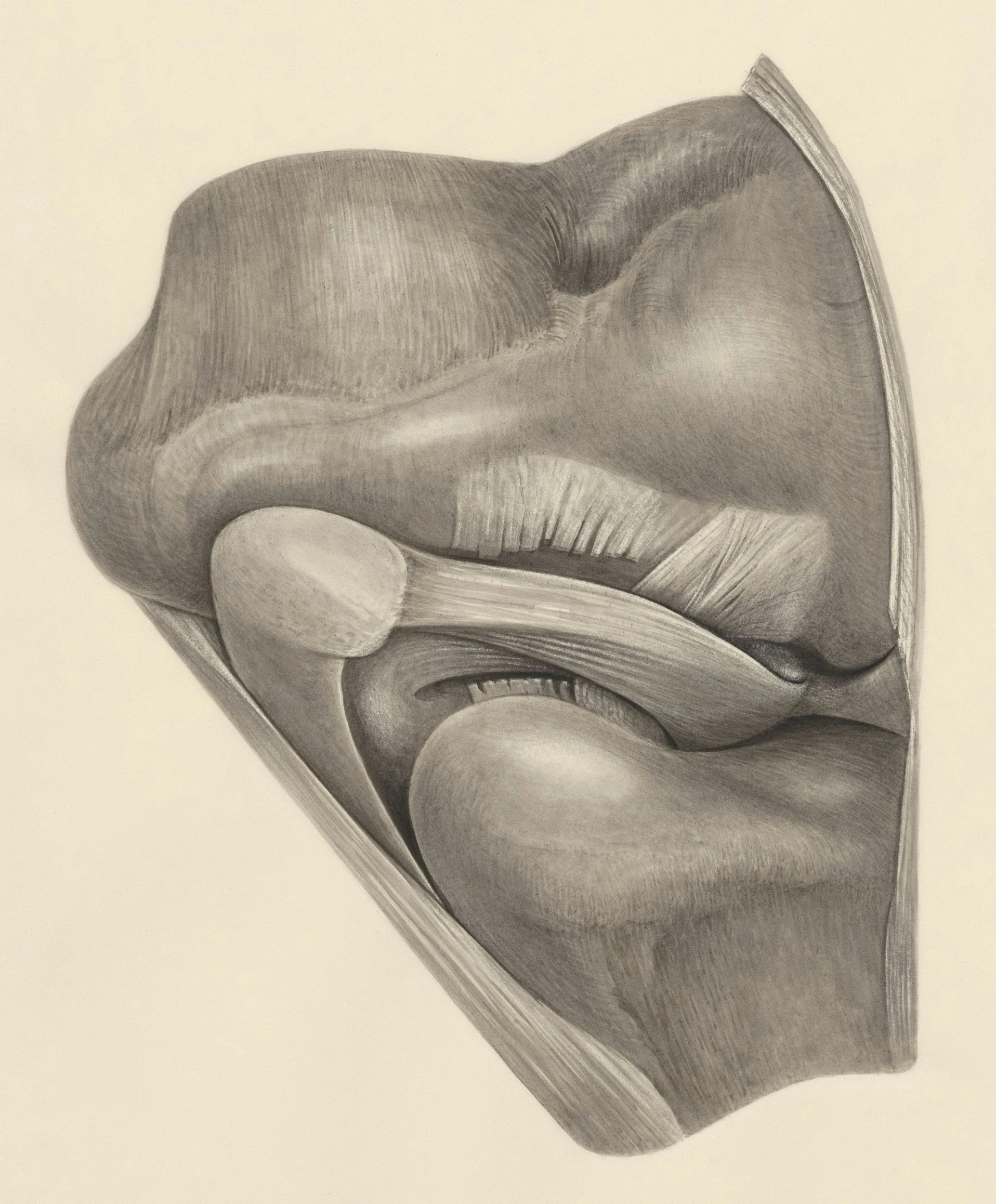
But anatomically, swallowing is a laryngeal event.
When you swallow:
The larynx lifts
The epiglottis folds down to protect your airway
The vocal folds and surrounding structures are directly involved
So when swallowing hurts, it’s often because the laryngeal inlet or nearby tissues are inflamed—the same neighborhood your voice lives in.
In other words:
The system you use to sing is already irritated and inflamed.
“But I can still make sound…”
This is where singers get tripped up.
You might still be able to match pitch and access your range and generally get sound out BUT that doesn’t mean the system is ready for repetitive vibration under load.
Inflamed tissue:
Swells
Loses elasticity
Requires more pressure to vibrate
So your body compensates—usually with extra throat tension or breath pressure—often without you realizing it.
That’s not singing freely, thats exactly how you get into more trouble.
This isn’t about fear—it’s about recovery
I don’t want singers to be afraid of their voices.
But I do want singers to understand this simple truth:
Pain with swallowing is a sign the larynx is still in protection mode.
Singing at that moment can:
Prolong healing
Create compensatory habits
Turn a short illness into lingering hoarseness
Resting briefly doesn’t mean you’re silencing yourself.
It means you’re letting the system reset.
So when can you sing again?
Here’s a clearer guideline than “just listen to your body”:
Swallowing is pain-free
Speaking feels easy
No sharp or burning sensation
Voice doesn’t feel forced or effortful
That’s when gentle re-entry makes sense:
Light humming (buzzy lips humming- more on that in lessons- go to the Book-a-Lesson page to schedule)
Easy lip trills
Soft, comfortable range only
Go easy, do not belt, and as I always say- let your voice come to you.
Sing—but sing smart
The takeaway isn’t “don’t sing.”
It’s this:
Sing often. Sing joyfully. Sing freely.
But don’t sing when your larynx is inflamed and asking for rest.
That isn’t weakness: its vocal intelligence.
Your voice isn’t just sound—it’s living tissue with protective reflexes.
Swallowing pain is one of the clearest signals it gives you.
Honor it, and you’ll sing longer, freer, and with more trust in your instrument.